Teacher training
Yoga Teacher Training in Bali: Ubud, Canggu and Beyond
Bali is one of the most popular places in the world to become a yoga teacher. Here's how to choose the right area, season and school.
By the Nestinga team · · 4 min read
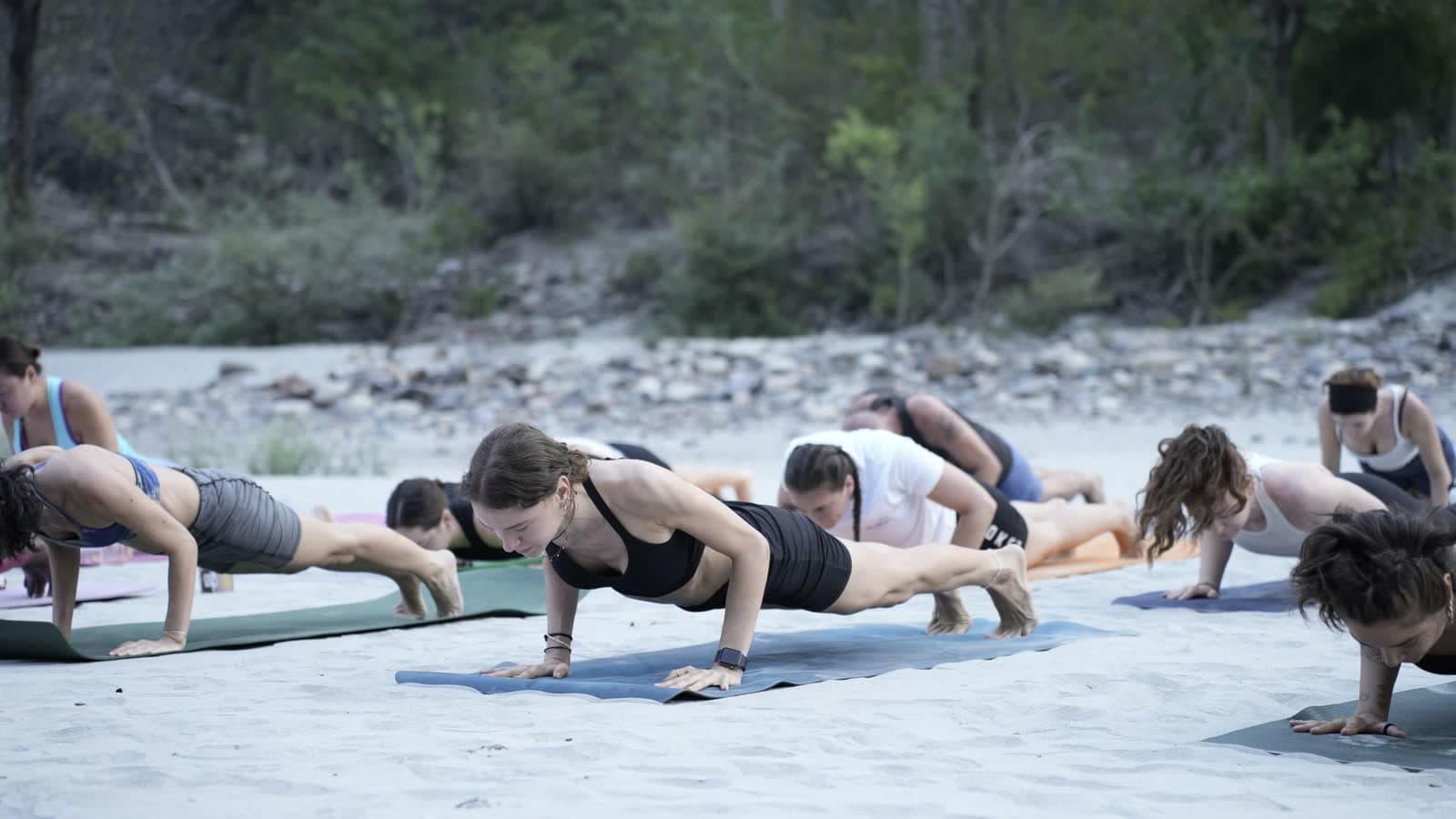
Few places are as associated with becoming a yoga teacher as Bali. The island combines a deep Hindu-Balinese spiritual culture with a large international yoga community, so you'll find trainings in every style, taught in English by teachers from all over the world. This guide compares the main areas, explains costs and seasons, and lists the questions that separate great schools from merely beautiful ones.
Ubud, Canggu, Uluwatu or Sidemen?
- Ubud: Bali's spiritual and cultural heart, inland among rice terraces and jungle. The most trainings, the deepest culture and the calmest atmosphere. See our guide to Ubud.
- Canggu: a surf town on the west coast with beach clubs, cafés and a young, social crowd. Good if you want to surf between sessions.
- Uluwatu and the Bukit: clifftop views and famous surf breaks in the south. Spread out, so you'll need transport.
- Sidemen and the east: rural valleys below Mount Agung, quieter and more traditional, with fewer schools.
Styles you can train in
Bali's schools cover almost everything: Vinyasa and Hatha are the most common, alongside Yin, Ashtanga, Kundalini and trauma-informed or somatic approaches. Many add breathwork and sound healing modules.
When to train
The dry season from April to October is the most popular, with clear mornings for outdoor practice. The wet season from November to March brings short, heavy rain, usually in the afternoon, and quieter, cheaper courses. Remember Nyepi, the Day of Silence in March, when the whole island stops for a day.
What it costs
A residential 200-hour training in Bali usually costs around USD 2,500 to 4,500, including tuition, a shared room and most meals. Private rooms, boutique venues and well-known lead trainers can push it above USD 5,000. Advanced 300-hour courses cost more. Flights, visas, the tourist levy and insurance are extra. Compare with other destinations in our 200-hour training guide.
Questions to ask a Bali school
- Is the course registered with Yoga Alliance, and under which school name?
- Who are the lead trainers, and how many contact hours does each teach?
- How many students are in a group?
- Where exactly are the rooms and the shala, and are they at the same venue?
- What's included: meals, transfers, materials, excursions?
- What's the visa situation for a four-week stay with my passport?
- What's the cancellation and refund policy?
Ask any of these through Ask the host on a Nestinga listing before you book.
Living in Bali for a month
Budget for scooters or drivers if your venue is outside the centre, bring reef-safe sunscreen and mosquito repellent, and give yourself a few days to arrive before the course begins: jet lag and heat make the first week harder than people expect.
A typical day on a Bali training
- Sunrise meditation and pranayama in an open-air shala.
- A long morning practice, often led by the lead trainer.
- Breakfast, then anatomy, alignment or sequencing workshops.
- A long lunch break during the hottest hours: a swim, a nap, study time.
- Philosophy and teaching practice in small groups.
- An evening session of Yin, restorative yoga, kirtan or a sound bath.
Most courses have one day off a week. Use it to rest: a massage, a waterfall or a slow lunch in Ubud's cafés will do more for your training than a long day of sightseeing.
Visas for a month-long course
A residential training usually lasts three to four weeks, so check before booking that your visa covers the whole course plus your travel days. Many nationalities can get a visa on arrival or an e-visa for Indonesia; some can extend it once. Rules change, so confirm them for your passport, and ask the school whether they've helped students with similar passports before.
After the course
The best schools stay in touch: alumni groups, mentoring, recordings of key lectures and help with your first classes. Ask about it before you book. Plan a few quiet days after graduation too: most trainees find they need time to absorb what they've learned before flying home.
Find a training in Bali
Browse 200-hour yoga teacher trainings, 300-hour trainings and everything in Indonesia on Nestinga. Comparing with India? Read Yoga teacher training in Rishikesh.
Frequently asked questions
Where is the best place in Bali for yoga teacher training?
Ubud has the most trainings and the calmest, most cultural atmosphere. Canggu suits people who want to surf and socialise; Uluwatu offers cliffs and surf; Sidemen is the quietest.
How much is a 200-hour yoga teacher training in Bali?
Usually around USD 2,500 to 4,500 for a residential course with a shared room and most meals. Boutique venues and private rooms cost more.
When is the best time for yoga teacher training in Bali?
April to October, the dry season, is the most popular. November to March is wetter but quieter and often cheaper.