Teacher training
200-Hour Yoga Teacher Training: What You Learn, What It Costs, and Where to Go
The 200-hour training is the foundation of a yoga teaching career, and a life-changing month even if you never teach. Here's what to expect.
By the Nestinga team · · 4 min read
A 200-hour yoga teacher training (YTT) is the standard first step for anyone who wants to teach yoga, and many students take one simply to deepen their own practice. It's intense, joyful and tiring in roughly equal measure. This guide explains what a 200-hour course covers, the formats you can choose, what it costs in the most popular destinations, and how to choose a school you'll be glad you trusted.
What "200 hours" actually means
The number refers to the hours of training in the curriculum, set by the school and, for registered courses, by the standards of Yoga Alliance. Graduates of a Yoga Alliance–registered school (an RYS 200) can register as an RYT 200, the credential most studios ask for. It's a registry rather than a legal licence, but it's recognised in most countries.
What you'll learn
- Techniques, training and practice: asana, pranayama, meditation, mantra and the practice of the style the school teaches.
- Anatomy and physiology: the body in movement, common injuries and how to keep students safe.
- Yoga humanities: history and philosophy, usually from the Yoga Sutras of Patanjali and the Bhagavad Gita, and the ethics of teaching.
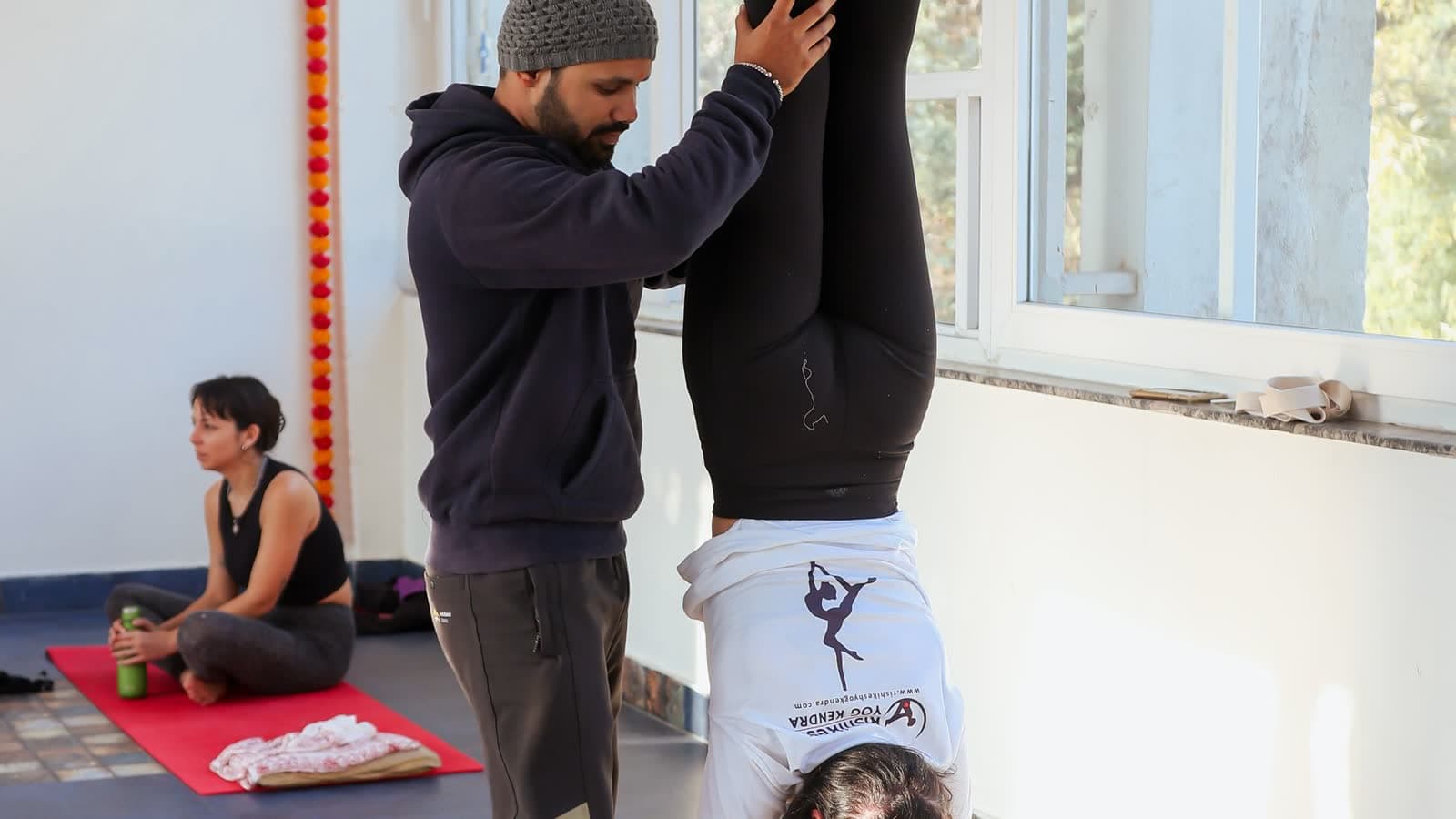
- Professional essentials: sequencing, cueing, adjustments with consent, holding space, and the business of teaching.
- Teaching practice: you'll teach your fellow students, then real classes, with feedback.
Formats: intensive, part-time or online
- Residential intensive (3 to 4 weeks). You live and study at the school, usually six days a week. It's the most immersive and fastest route, and the most popular abroad.
- Part-time (2 to 6 months). Weekends or evenings near home. Slower, but easier to fit around work and family.
- Online or hybrid. Recorded and live sessions, sometimes with an in-person module. Check how the school's online hours are recognised for the credential you want before you enrol.
Where to train, and what it costs
These are rough guides for residential courses including a shared room and meals; prices vary with season, room and teachers.
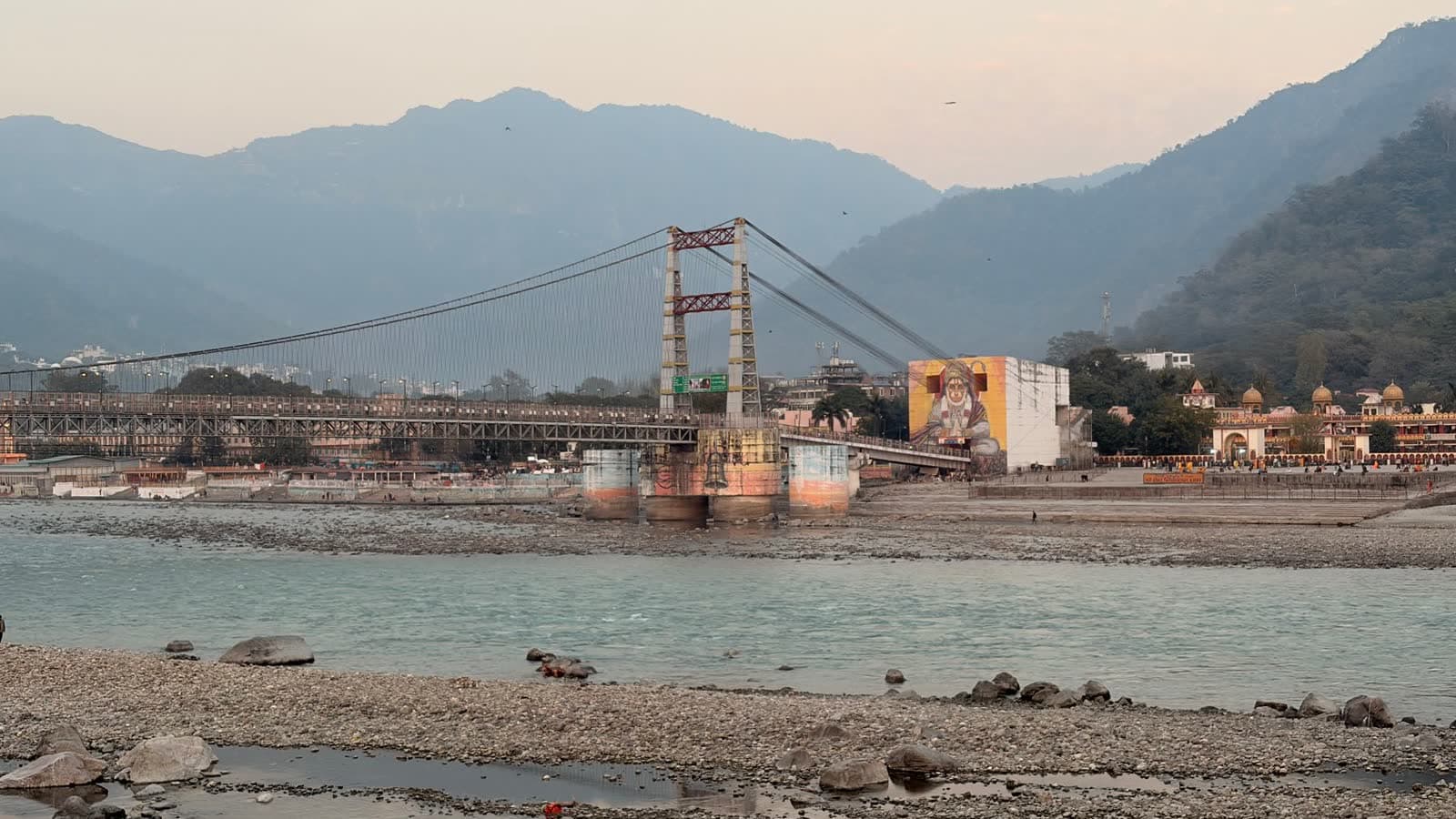
- India: around USD 1,000 to 2,500. Rishikesh is the classic choice; Goa and Kerala are popular in winter. See Yoga teacher training in Rishikesh.
- Bali: around USD 2,500 to 4,500, mostly in Ubud and Canggu. See Yoga teacher training in Bali.
- Thailand and Nepal: often USD 1,500 to 3,500.
- Costa Rica and Mexico: around USD 3,000 to 5,000, often by the beach.
- Europe: Portugal, Spain and Greece are common, often EUR 2,500 to 4,500.
How to choose the right course
- Pick the style you love to practise. A school teaches its own tradition best: Hatha, Vinyasa, Ashtanga, Yin or Kundalini.
- Look at the lead trainers, not the logo. How long have they taught, and how many hours will they personally teach?
- Check the group size. Smaller groups get more feedback on their teaching.
- Read the daily schedule. Twelve-hour days with no rest are common; make sure you can sustain them.
- Know what's included and what isn't, and read the cancellation policy before paying a deposit.
- Ask about life after the course: mentoring, alumni groups, help with your first classes.
Are you ready?
You don't need to do a handstand. Most schools ask for a regular practice of six months to a year, and an open mind. What helps most is honesty about any injuries, and arriving rested.
A typical day
- Early meditation and pranayama.
- A long asana practice, often two hours.
- Breakfast, then anatomy or alignment.
- Lunch and rest, or self-study.
- Philosophy, teaching methodology and practice teaching in small groups.
- A gentle evening class, kirtan or meditation, and an early night.
Expect six days a week, with one day off to rest and catch up on reading.
After graduation
Most new teachers start small: classes for friends, community centres or beginners at a local studio. Keep practising, keep studying, and teach often; confidence comes from repetition. Many go on to a specialisation or a 300-hour training after a year or two of teaching.
Find a 200-hour training
Browse 200-hour yoga teacher trainings on Nestinga, or all teacher trainings, including meditation teacher training. Ready for the next step later? Read about the 300-hour training.
Frequently asked questions
How long does a 200-hour yoga teacher training take?
A residential intensive takes three to four weeks, six days a week. Part-time courses run over two to six months of weekends or evenings.
Can I teach yoga after a 200-hour training?
Yes. A 200-hour course from a Yoga Alliance–registered school lets you register as an RYT 200, which most studios ask for. Many graduates start by teaching friends, community classes or beginners.
How much does a 200-hour yoga teacher training cost?
Roughly USD 1,000 to 2,500 in India, USD 2,500 to 4,500 in Bali and EUR 2,500 to 4,500 in Europe for residential courses including room and meals. Prices vary with season, room type and teachers.
Do I need to be advanced to join a 200-hour training?
No. Most schools ask for six months to a year of regular practice and an honest account of any injuries. You don't need advanced poses.