Teacher training
300-Hour Yoga Teacher Training: Is It Right for You?
You've taught for a while and want to go deeper. Here's what an advanced 300-hour training gives you, and how to choose one.
By the Nestinga team · · 4 min read
A 200-hour training teaches you to teach a safe, well-structured class. A 300-hour training is where you find your own voice: deeper practice, more subtle teaching skills, and the confidence to work with any room. This guide explains what's covered, how it fits with Yoga Alliance's RYT 500, and how to know you're ready.
What a 300-hour training covers
- Advanced practice and sequencing: intelligent sequences for different levels and goals, peak poses, and adapting classes on the spot.
- Deeper anatomy and biomechanics: working with injuries, chronic pain, older bodies and pregnancy (often as an introduction rather than a full specialisation).
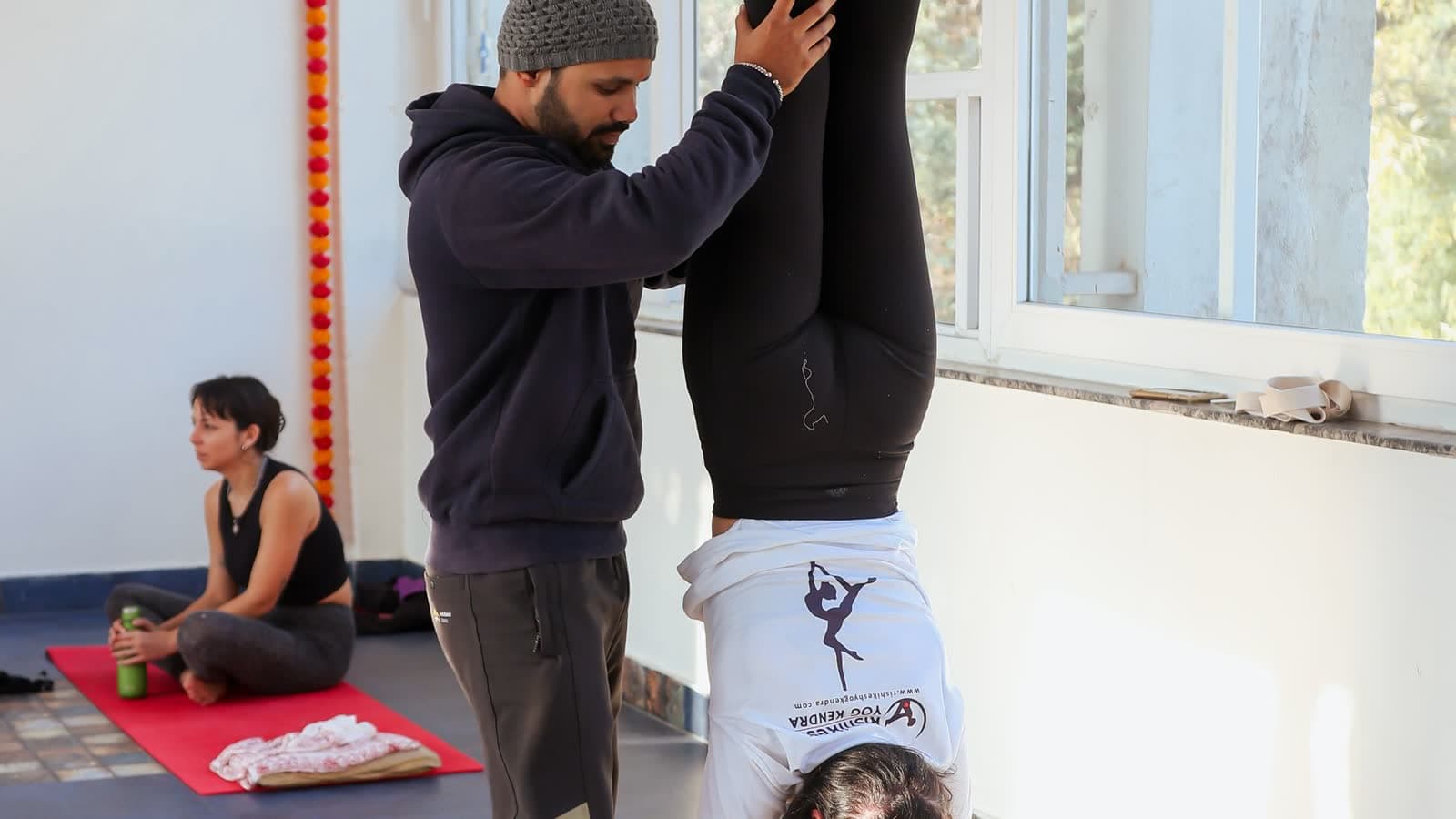
- Hands-on assists and verbal cueing, with consent and clear boundaries.
- Philosophy and subtle practices: the Yoga Sutras and other texts in depth, pranayama, meditation, mantra and the subtle body.
- Teaching skills: holding space, trauma-sensitive language, mentoring and leading workshops or retreats.
- The business of yoga: building a sustainable career.
RYT 500 explained
With Yoga Alliance, a teacher who completes a 200-hour course and a 300-hour course at registered schools (RYS 200 and RYS 300) can register as an RYT 500. The two courses don't have to be with the same school, and many teachers deliberately choose a different style or teacher for the second one to broaden their perspective.
Are you ready?
A good rule of thumb: you've completed a 200-hour training, and you've taught regularly for at least six months to a year. Teaching experience is what makes the advanced material land, because you'll recognise the problems it solves. Some schools require it.
Formats
- Intensive: four to six weeks residential.
- Modular: three or four modules of one to two weeks, taken over a year or two, so you can keep teaching between them.
- Part-time or hybrid: online theory with in-person practice modules.
What it costs
As a rough guide, a residential 300-hour training costs around USD 2,000 to 3,500 in India, and USD 3,500 to 6,500 in Bali, Europe or the Americas, including accommodation and meals. Modular courses spread the cost over time.
How to choose
- Choose the teachers before the destination: read about their lineage and their years of teaching teachers.
- Decide whether you want depth in your current style or a new perspective.
- Look for real teaching practice with feedback, not just lectures.
- Ask about mentoring, assessment and what happens if you miss a session.
- Check registration with Yoga Alliance if you want RYT 500.
A full 300 hours or a specialisation?
Not every teacher needs a full 300-hour course. If you want to work with a particular group or style, shorter specialist trainings might suit you better: Yin yoga, restorative yoga, prenatal and postnatal yoga, yoga for seniors, trauma-informed teaching, or meditation teacher training. Many 300-hour programmes include introductions to several of these. A specialisation goes deeper into one.
Where to train
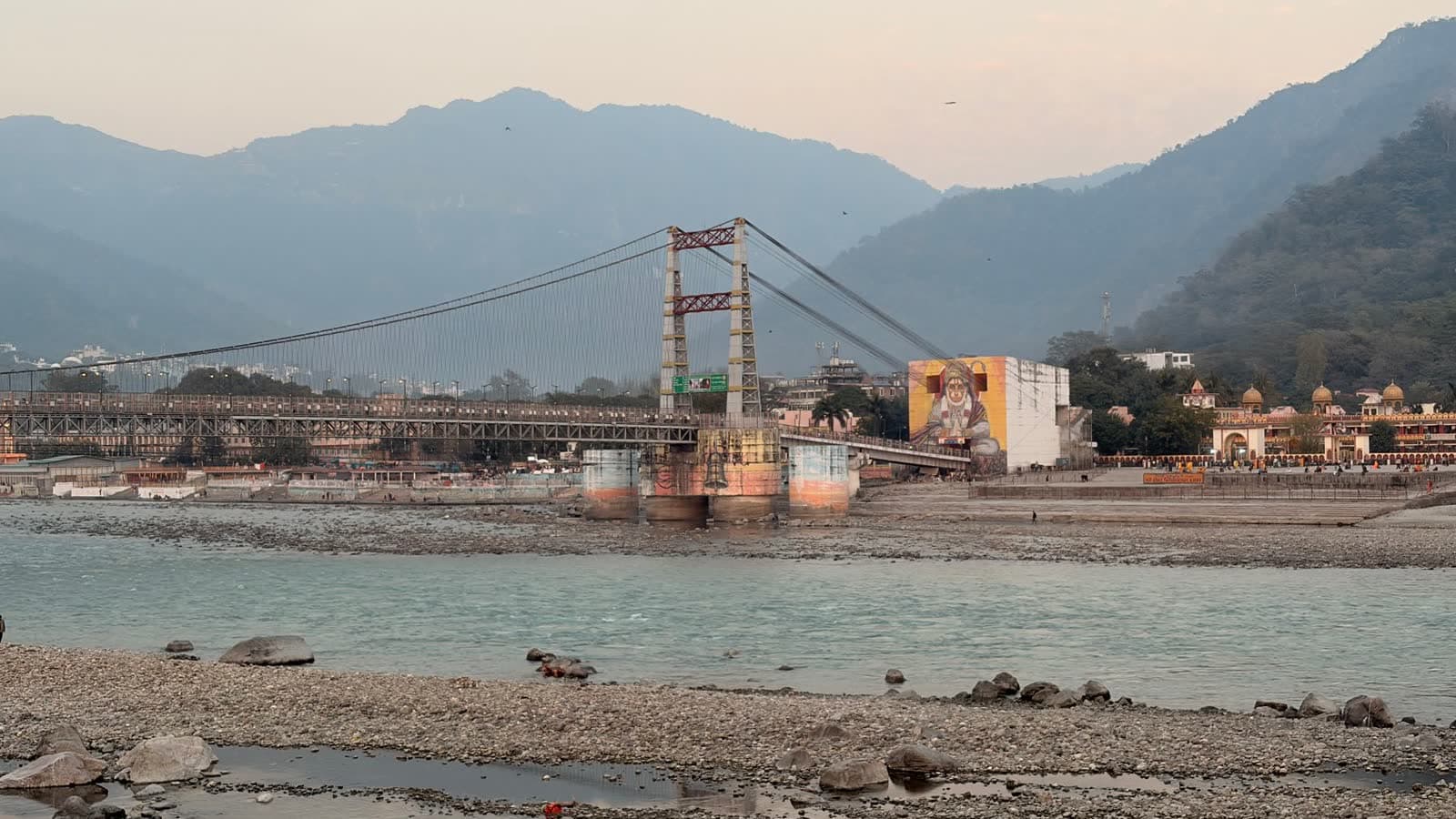
- India: traditional depth and good value, especially in Rishikesh, Mysore and Goa.
- Bali: a wide choice of styles and international teachers; see training in Bali.
- Europe: modular courses in Portugal, Spain, Greece and the UK that fit around teaching.
- The Americas: residential courses in Costa Rica and Mexico, and modular ones across the USA and Canada.
Studying while you teach
The greatest advantage of a modular course is that you can try new ideas in your own classes between modules. Keep a journal of what works, bring questions back to your trainers, and ask for feedback on recordings of your teaching if the school offers it. Teachers who study this way often find the advanced material sticks far better than in a single intensive month.
Signs you're ready, and signs to wait
You're probably ready if you teach regularly, notice the limits of what your 200-hour course gave you, and have specific questions you want answered. It may be worth waiting if you haven't taught yet, if you're recovering from an injury, or if you're mainly looking for a deeper personal practice: a retreat or a shorter workshop might give you that for less time and money.
Find a 300-hour training
Browse 300-hour yoga teacher trainings and all teacher trainings on Nestinga. Still at the start? Read about the 200-hour training, or training in Rishikesh.
Frequently asked questions
What is the difference between a 200-hour and a 300-hour yoga teacher training?
A 200-hour training teaches you to teach a safe, well-structured class. A 300-hour training goes deeper into practice, anatomy, philosophy and teaching skills, for teachers with some experience.
How do I become an RYT 500?
Complete a 200-hour course and a 300-hour course at Yoga Alliance–registered schools (RYS 200 and RYS 300), then register with Yoga Alliance as an RYT 500. The courses can be with different schools.
When should I do a 300-hour yoga teacher training?
Usually after your 200-hour training and at least six months to a year of regular teaching. Some schools require teaching experience.