Meditation
Silent Meditation Retreats and Vipassana: A Beginner's Guide
Days without speaking, reading or your phone. Silent retreats are among the hardest and most rewarding things you can do. Here's what to expect.
By the Nestinga team · · 4 min read
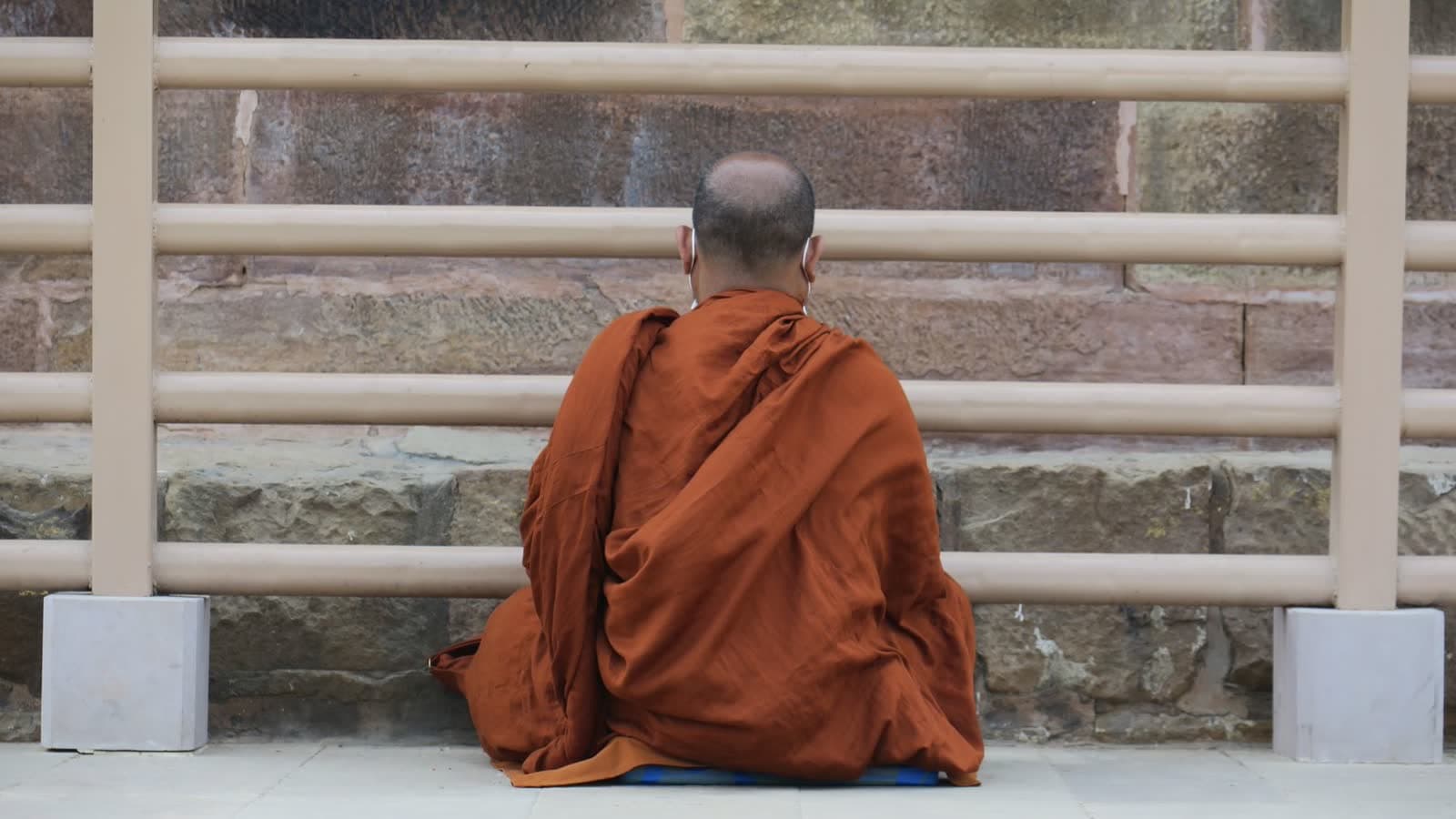
A silent retreat strips away almost everything we use to stay busy: conversation, phones, books, even eye contact. What's left is your own mind, observed for hours at a time. People come out describing it as the hardest thing they've done, and often the most valuable. This guide explains the main kinds of silent retreats, what a day looks like, and how to prepare.
What is Vipassana?
Vipassana means "insight" or "seeing things as they really are". It's one of the oldest meditation techniques in the Buddhist tradition, and today the term usually refers to insight meditation: observing breath and bodily sensations with equanimity.
The best-known format is the 10-day course in the tradition of S. N. Goenka, held at centres around the world, including India. These courses are run on donations: there's no fee, and only students who have completed a course may donate. They follow a strict schedule and code of discipline.
Other traditions run silent retreats too: Zen sesshins, Tibetan Buddhist retreats, Christian contemplative retreats, and secular mindfulness retreats that teach meditation without religious framing. Browse Vipassana, silent retreats and Zen on Nestinga.
What a day looks like
On a traditional 10-day course, a day looks roughly like this:
- Wake-up bell around 4:00 am.
- Meditation until breakfast, often in the hall.
- Long sitting periods through the morning, with short breaks.
- Lunch, rest, and meditation through the afternoon.
- A light evening meal (sometimes only fruit and tea).
- An evening talk explaining the technique, more meditation, and bed around 9:30 pm.
That's around ten hours of meditation a day. Shorter retreats, from a weekend to a week, are gentler, often with walking meditation, yoga and time in nature between sittings.
The rules of "noble silence"
- No talking with other participants, though you can speak to the teacher or staff when needed.
- No phones, reading, writing or music. Devices are usually handed in.
- No eye contact or gestures, so each person can stay with their own practice.
- Simple vegetarian food and separate accommodation for men and women at many centres.
What it feels like
Most people find days two to four the hardest: restlessness, pain from sitting, boredom and a mind that won't stop. Around the middle, many experience more calm and clarity. Strong emotions can surface. That's normal, and teachers are there to help. If you have a history of trauma or mental illness, talk to the organisers before booking; an intensive silent retreat isn't the right first step for everyone.
How to prepare
- Start a daily practice of 20 to 30 minutes a few weeks before.
- Practise sitting on a cushion or bench; ask whether chairs are allowed.
- Cut down on caffeine beforehand to avoid headaches.
- Tell family and work you'll be unreachable, and arrange emergency contact through the centre.
- Arrive with no expectations. Every retreat is different.
Silent retreats in India
India has Vipassana centres in many states, running 10-day courses throughout the year, and ashrams in Rishikesh, Dharamshala and the south that offer shorter silent retreats alongside yoga. If you're travelling in India anyway, a course there is a powerful way to experience the tradition close to where it began. Read the best places for a yoga retreat in India.
What to pack
- Loose, comfortable, modest clothes in layers: meditation halls can be cool at dawn.
- A shawl or blanket for long sittings, and slip-on shoes.
- Earplugs and an eye mask for shared rooms.
- A torch, a water bottle and any medicines you need.
- Nothing to read or write: you won't use it, and leaving it at home helps.
After the retreat
Coming back from silence can feel strange: noise is louder, conversation tiring. Plan a quiet day or two before going back to work, and keep a short daily sitting, even ten minutes, to hold on to what you've learned.
Choosing your first silent retreat
If ten days feels like too much, begin with a weekend or a five-day meditation retreat that mixes silence with yoga or walks. Look at the daily schedule, the teacher's background, how much one-to-one guidance there is, and the accommodation. Thailand and Nepal have long traditions of silent retreats: see meditation retreats in Thailand and yoga and meditation in Nepal.
Frequently asked questions
What happens on a 10-day Vipassana course?
You keep noble silence for most of the course, wake around 4:00 am and meditate for about ten hours a day, learning to observe the breath and bodily sensations. Evening talks explain the technique.
Are Vipassana courses free?
Courses in the tradition of S. N. Goenka are run on donations: there's no fee, and only students who have completed a course may donate.
Can a beginner do a silent retreat?
Yes, though many beginners start with a weekend or five-day retreat that mixes silence with yoga or walking. If you have a history of trauma or mental illness, talk to the organisers first.
Can I talk to anyone during a silent retreat?
You don't talk with other participants, but you can speak to the teacher or staff when you need to.