Meditation
Meditation Retreats in Thailand: Temples, Islands and Mountain Centres
From monasteries where you dress in white to island wellness resorts, Thailand has a meditation retreat for every level.
By the Nestinga team · · 4 min read
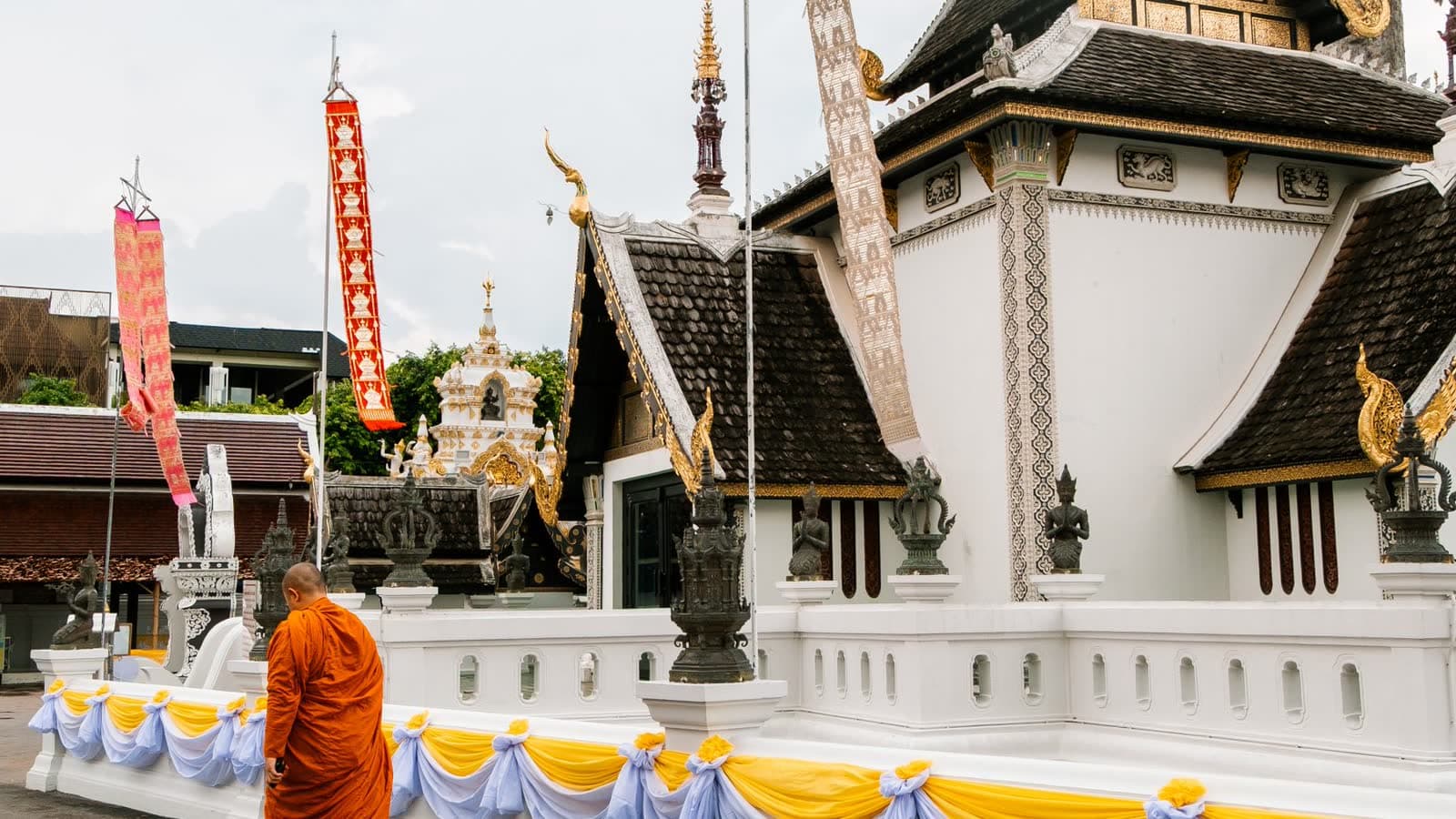
Thailand is a Theravada Buddhist country, and meditation is woven into its culture: monks walk their alms rounds at dawn, and many temples welcome foreigners to practise. Alongside them, the islands and northern hills have modern retreat centres that combine meditation with yoga and rest. Choosing between the two is the first decision.
Two kinds of retreats
Temple and monastery retreats
Many temples offer courses in Vipassana, or insight meditation, to foreigners. You usually wear white, keep the eight precepts (including no eating after midday), follow a simple daily routine and practise sitting and walking meditation with guidance from a monk or teacher. Some are run on donations. They are serious and disciplined, and can be profound.
Retreat centres and resorts
On the islands and around Chiang Mai you'll find centres offering guided meditation, mindfulness, yoga, breathwork and healthy food in comfortable rooms. Silence may be partial or optional. A good choice for a first retreat or a restorative break.
Where to go
- Chiang Mai and the north: hundreds of temples, cooler mountain air and several well-known meditation centres, some running courses of ten days or more. The old city's temples are worth visiting on rest days.
- Surat Thani province: known for long-running monthly silent retreats in the forest monastery tradition.
- Koh Phangan: a wellness island with yoga schools, meditation centres and quiet beaches on the north and west coasts.
- Koh Samui: more resort-style wellness retreats and detox programmes.
When to go
The cool season from November to February is the most comfortable in the north. March to May is hot. The monsoon brings rain from roughly May to October, though the Gulf islands such as Koh Phangan and Koh Samui get their heaviest rain later, around October to December.
Etiquette at temples
- Dress modestly in white or light colours; cover shoulders and knees.
- Remove shoes before entering buildings.
- Women shouldn't touch monks or hand objects directly to them.
- Never point your feet at a Buddha image or a monk.
- Observe silence and the schedule: they're part of the practice.
What it costs
Temple retreats are often free or donation-based; give generously to support them. Retreat centres and resorts usually cost around USD 700 to 2,500 per week, depending on the room and inclusions.
Preparing
Practise sitting for 20 to 30 minutes a day beforehand, and read our guide to silent meditation retreats. Bring a reusable water bottle, mosquito repellent and loose white clothing if your retreat asks for it.
A day at a temple retreat
Days at a temple retreat are simple and structured. You might wake before dawn for chanting, alternate sitting and walking meditation through the morning, eat the main meal before noon, rest, and continue practising until an evening talk or a short interview with your teacher. Rooms are basic, often with a thin mattress, and food is simple Thai vegetarian or what the monks receive on their alms round.
How to choose
- Decide how much discipline you want. Temple retreats are strict; retreat centres are flexible.
- Check the language. Ask whether instruction is in English, and whether a teacher speaks with students individually.
- Read the rules about silence, phones, clothing and meals before you commit.
- Look at the length. First-timers often choose five to ten days; some temples welcome longer stays.
- Consider combining a structured temple retreat with a few days of yoga and rest on an island afterwards.
Combining meditation with yoga
Many centres on Koh Phangan and around Chiang Mai combine daily meditation with gentle yoga, mindfulness teaching and healthy food. They're an excellent introduction, and a good way to prepare for a stricter silent retreat later.
Getting there
International flights land in Bangkok, with frequent connections to Chiang Mai in the north. Overnight trains between Bangkok and Chiang Mai are a slow, comfortable alternative. For Koh Phangan, fly to Koh Samui or Surat Thani and take a ferry. Many retreats arrange pick-ups from the nearest airport, pier or station: ask when you book.
Find a retreat in Thailand
Search everything on Nestinga in Thailand, or browse meditation and silent retreats.
Frequently asked questions
Can foreigners stay at a Thai temple for meditation?
Yes. Many temples welcome foreigners for meditation courses. You usually wear white, follow the eight precepts and a strict daily routine, and many courses are donation-based.
When is the best time for a meditation retreat in Thailand?
The cool season from November to February is the most comfortable, especially in the north around Chiang Mai. The Gulf islands are wettest around October to December.
How much does a meditation retreat in Thailand cost?
Temple retreats are often free or donation-based. Retreat centres and resorts usually cost around USD 700 to 2,500 per week.
What should I wear to a meditation retreat at a Thai temple?
Loose white or light-coloured clothes that cover your shoulders and knees. Many temples ask for white, and some lend or sell suitable clothing on arrival.