Destinations
Yoga Retreats in Canada: From the Rockies to the Laurentians
Lakes, forests, mountains and wild coastline: Canada is made for retreats that put nature at the centre of practice.
By the Nestinga team · · 4 min read
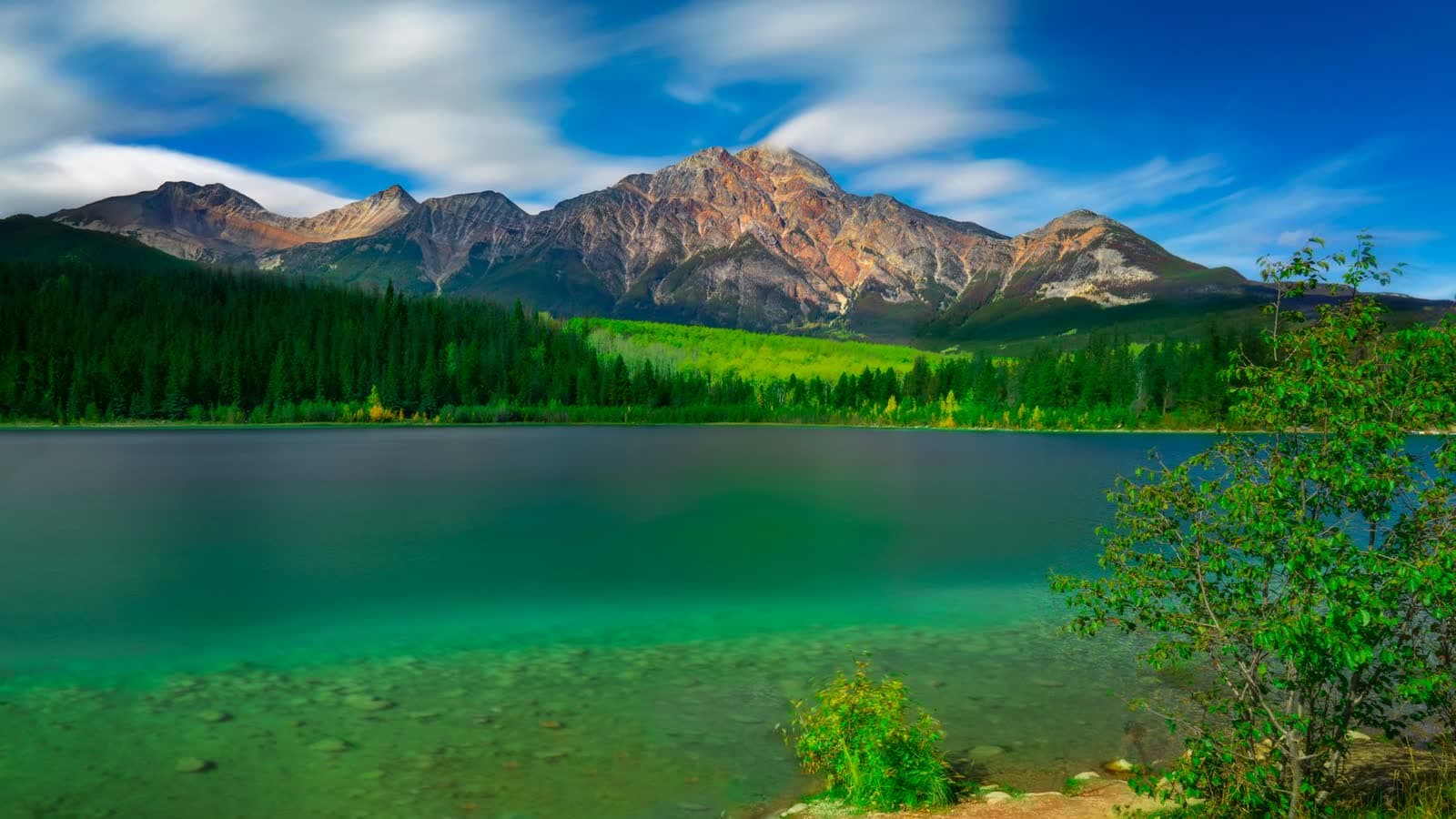
Canada doesn't have Bali's temples or Rishikesh's ashrams, but it has something just as powerful for a retreat: space. Ancient forests, glacier lakes, Pacific islands and quiet lake country, often an hour or two from a major city. Yoga retreats here tend to combine practice with time outdoors, from forest bathing and paddling to sauna and cold plunges. Here's where to go and when.
The best regions for a yoga retreat in Canada
British Columbia
The west coast is Canada's wellness heartland. Vancouver Island and the Gulf Islands, such as Salt Spring, offer old-growth forest and ocean views; Tofino adds surf and storm-watching. Inland, the Okanagan has lakes, vineyards and long, dry summers, and Whistler pairs mountain yoga with hiking. Look for surf and yoga and hiking retreats here.
The Rockies
In Alberta, Canmore and the area around Banff and Jasper offer some of the most dramatic scenery on the continent: turquoise lakes, peaks and wildlife. Altitude and big hiking days make this a great region for active retreats.
Ontario
Muskoka and the lake country north of Toronto are famous for cottages, canoes and loons calling across the water. Retreat centres here often include paddling, sauna and swimming, and many are within a few hours' drive of the city.
Quebec
The Laurentians (Laurentides) north of Montreal and the Eastern Townships have a long tradition of spas and nature retreats, many in French and English. In winter you'll find retreats with snowshoeing and Nordic baths.
The Atlantic coast
Nova Scotia, including Cape Breton, and the other Atlantic provinces offer quiet coastal retreats, fresh seafood and some of the friendliest small towns in the country.
When to go
- June to September: the main retreat season, with warm days, lake swimming and long evenings.
- September and October: autumn colours, crisp mornings and fewer people. A beautiful time in Ontario and Quebec.
- December to March: winter retreats with snow, saunas and fireside meditation. Expect real cold, especially in the east.
- April and May: variable weather, but quiet and often discounted.
What a retreat in Canada costs
As a rough guide, a weekend retreat costs around CAD 400 to 1,200, and a full week CAD 1,500 to 4,000 per person, depending on the room and inclusions. Remote lodges reached by floatplane or boat cost more. Transfers from the nearest city are often extra.
Practical tips
- Many visitors who don't need a visa still need an Electronic Travel Authorization (eTA) to fly to Canada. Check the rules for your passport.
- Pack layers year-round, insect repellent for summer evenings near lakes, and proper boots for any hiking.
- Distances are big: ask the host how long the transfer really is.
Kinds of retreats you'll find
- Forest and lake retreats with yoga, meditation, canoeing and swimming.
- Sauna and cold-plunge retreats, inspired by Nordic traditions, especially popular in Quebec and British Columbia.
- Active retreats combining yoga with hiking, cycling or paddleboarding in the mountains.
- Silent and [meditation](/retreats/meditation) retreats at rural centres, from a weekend to ten days.
- Winter retreats with snowshoeing, cross-country skiing and fireside meditation.
- [Burnout recovery](/retreats/burnout-recovery) programmes for people who need to stop, often close to the big cities.
How to choose
Start with distance: Canada is huge, and a retreat a short drive from Toronto, Montreal or Vancouver saves you a long transfer. Then choose the season, the level of activity and the comfort you want, from simple cabins to lodges with hot tubs. Ask whether meals are vegetarian or can be adapted, whether there's mobile reception (often not, which can be a blessing), and how guests arrive: some island centres are reached by ferry or floatplane, and the timetable decides your arrival time.
Getting around
Major airports at Vancouver, Calgary, Toronto and Montreal connect to most retreat regions. Car hire is common, but many hosts arrange shared transfers. For the Gulf Islands and Vancouver Island, check ferry times in advance, especially on summer weekends.
What to pack
- Layers for every season: mornings by the water are cool even in July.
- A rain jacket and waterproof walking shoes, especially on the west coast.
- Swimwear for lakes and saunas, and a warm hat for winter retreats.
- Insect repellent for June and July evenings, when mosquitoes and blackflies are at their worst in the forests.
Find a retreat in Canada
Search everything on Nestinga in Canada, or browse yoga retreats, nature and adventure retreats and burnout recovery retreats. New to retreats? Start with our beginner's guide.
Frequently asked questions
Where are the best yoga retreats in Canada?
British Columbia (Vancouver Island, the Gulf Islands, Tofino and the Okanagan), the Rockies around Canmore, Banff and Jasper, Ontario's Muskoka lake country, and Quebec's Laurentians and Eastern Townships.
When is the best time for a yoga retreat in Canada?
June to September for warm weather and lake swimming; September and October for autumn colours; December to March for winter retreats with snow and saunas.
How much does a yoga retreat in Canada cost?
Roughly CAD 400 to 1,200 for a weekend and CAD 1,500 to 4,000 for a week per person, depending on the room and inclusions. Remote lodges cost more.